How Stress Impacts Your Physical and Mental Health

How Stress Impacts Your Physical and Mental Health
Introduction
Stress has become an unavoidable part of modern life. Whether it’s work pressure, financial responsibilities, academic challenges, or personal relationships, everyone experiences stress at some point. While a small amount of stress can motivate us to perform better, prolonged or chronic stress can have serious consequences on both physical and mental health.
Understanding how stress affects the body and mind is the first step toward managing it effectively and maintaining overall well-being.
What Is Stress?
Stress is the body’s natural response to challenging or demanding situations. When faced with a stressful event, the body releases hormones such as cortisol and adrenaline, preparing us for a “fight-or-flight” response.
Short-term stress can help improve focus and reaction time. However, when stress becomes constant, it can negatively impact various aspects of health.
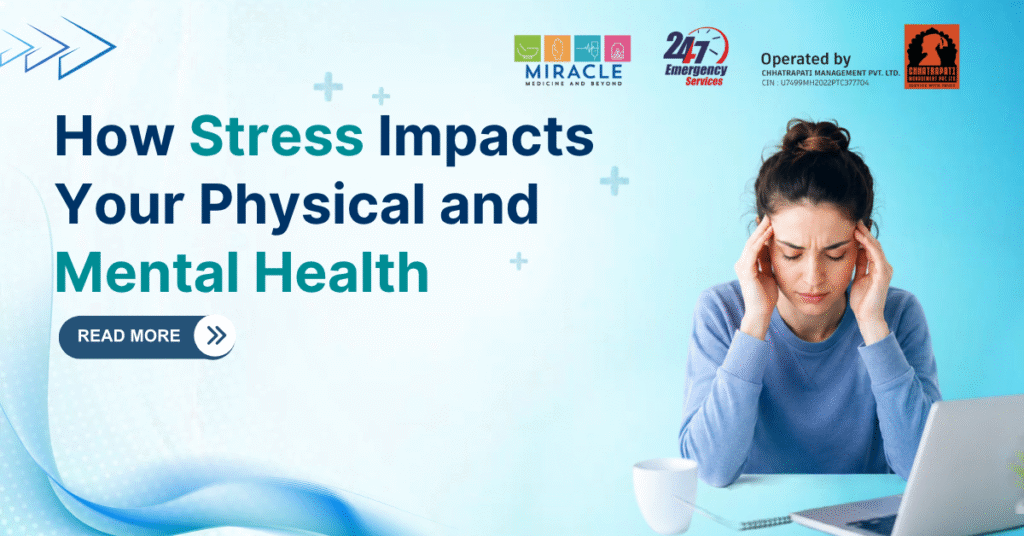
Physical Health Effects of Stress
1. Weakened Immune System
Chronic stress can reduce the body’s ability to fight infections and illnesses. People experiencing prolonged stress often find themselves getting sick more frequently.
Common symptoms include:
- Frequent colds and flu
- Slow healing of wounds
- Increased susceptibility to infections
2. Heart and Blood Pressure Problems
Stress causes the heart to work harder by increasing heart rate and blood pressure. Over time, this can contribute to cardiovascular problems.
Potential risks include:
- High blood pressure
- Heart disease
- Increased risk of stroke
3. Digestive Issues
The digestive system is highly sensitive to stress. Long-term stress can disrupt normal digestion and lead to various gastrointestinal problems.
Common digestive issues include:
- Stomach pain
- Acid reflux
- Irritable Bowel Syndrome (IBS)
- Nausea and indigestion
4. Sleep Disturbances
Stress often interferes with sleep quality and duration. Many people struggle to fall asleep or stay asleep when they are stressed.
Effects of poor sleep include:
- Fatigue
- Reduced concentration
- Lower productivity
- Weakened immunity
5. Muscle Tension and Headaches
Stress causes muscles to tighten as a protective response. Continuous muscle tension can result in discomfort and pain.
Common symptoms include:
- Neck pain
- Shoulder tension
- Back pain
- Frequent headaches and migraines
6. Weight Changes
Stress can affect eating habits and metabolism, leading to either weight gain or weight loss.
Some people overeat as a coping mechanism, while others lose their appetite during stressful periods.
Mental Health Effects of Stress
1. Anxiety
One of the most common mental effects of stress is anxiety. Persistent stress can make individuals feel worried, nervous, or overwhelmed even in normal situations.
Symptoms may include:
- Excessive worrying
- Restlessness
- Rapid heartbeat
- Difficulty concentrating
2. Depression
Long-term stress can contribute to feelings of sadness, hopelessness, and loss of interest in activities that once brought joy.
If left unmanaged, chronic stress may increase the risk of developing depression.
3. Mood Swings and Irritability
Stress affects emotional regulation, making people more prone to frustration, anger, and mood changes.
This can negatively impact personal relationships and workplace interactions.
4. Reduced Focus and Productivity
High stress levels can impair memory, concentration, and decision-making abilities.
People experiencing chronic stress often struggle with:
- Forgetfulness
- Difficulty solving problems
- Reduced work performance
- Lack of motivation
5. Burnout
Burnout is a state of emotional, physical, and mental exhaustion caused by prolonged stress, especially in work or academic environments.
Signs of burnout include:
- Constant fatigue
- Emotional detachment
- Reduced performance
- Feeling overwhelmed
Warning Signs That Stress Is Affecting Your Health
Watch for these common signs:
- Constant tiredness
- Difficulty sleeping
- Frequent headaches
- Increased irritability
- Digestive problems
- Loss of motivation
- Anxiety or depression symptoms
- Changes in appetite
- Difficulty concentrating
Recognizing these signs early can help prevent long-term health complications.
Effective Ways to Manage Stress
Exercise Regularly
Physical activity helps reduce stress hormones and boosts mood-enhancing endorphins.
Practice Mindfulness and Meditation
Deep breathing exercises, meditation, and mindfulness techniques can calm the mind and improve emotional well-being.
Get Quality Sleep
Aim for 7–9 hours of sleep each night to help the body recover and manage stress effectively.
Maintain a Healthy Diet
Eating nutritious foods supports overall health and helps the body cope with stress more efficiently.
Stay Connected
Talking with family, friends, or trusted individuals can provide emotional support during difficult times.
Manage Your Time
Prioritize tasks, set realistic goals, and avoid overcommitting yourself.
Seek Professional Help
If stress becomes overwhelming or starts affecting daily life, consider speaking with a mental health professional.
Conclusion
Stress is a natural part of life, but when it becomes chronic, it can significantly impact both physical and mental health. From weakened immunity and heart problems to anxiety, depression, and burnout, the effects of unmanaged stress can be far-reaching.
The good news is that stress can be managed through healthy lifestyle habits, proper self-care, and professional support when needed. By recognizing the signs early and taking proactive steps, you can protect your health, improve your well-being, and lead a more balanced and fulfilling life.
