How Regular Health Screenings Can Detect Diseases Early

How Regular Health Screenings Can Detect Diseases Early
In today’s fast-paced world, many people tend to visit a doctor only when they experience symptoms or discomfort. However, waiting for symptoms to appear can sometimes allow diseases to progress unnoticed. This is where regular health screenings play a crucial role.
Health screenings are preventive medical tests designed to identify potential health issues before symptoms develop. Early detection often leads to more effective treatment, lower healthcare costs, and better overall health outcomes.
- What Are Health Screenings?
Health screenings are medical examinations and tests that help assess your overall health and identify risk factors for various diseases. Depending on your age, gender, family history, and lifestyle, your doctor may recommend specific screening tests.
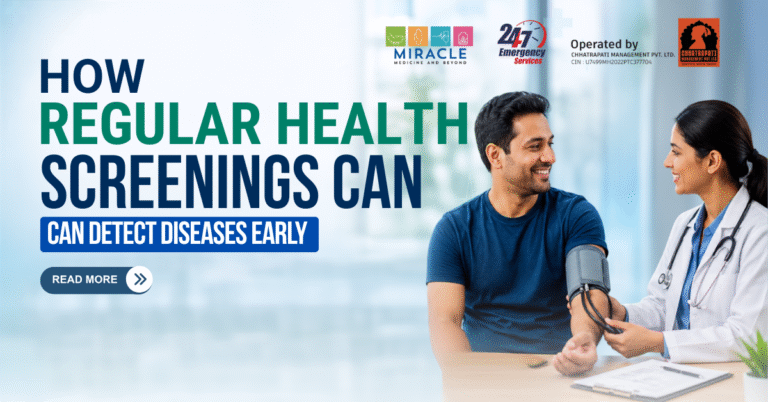
Common health screenings include:
- Blood pressure checks
- Blood sugar testing
- Cholesterol screening
- Cancer screenings
- Heart health evaluations
- Liver and kidney function tests
- Thyroid function tests
- Bone density scans
- Eye and dental examinations
These screenings provide valuable insights into your health and help detect problems at an early stage.
Why Early Disease Detection Matters
Many serious health conditions develop gradually and may not show noticeable symptoms in their early stages. By the time symptoms appear, the disease may have already advanced.
Regular health screenings can help detect:
1. Diabetes
Type 2 diabetes often develops silently. Routine blood sugar tests can identify prediabetes or diabetes before serious complications such as nerve damage, kidney disease, or vision problems occur.
2. High Blood Pressure
Often called the “silent killer,” high blood pressure usually has no obvious symptoms. Early detection can help prevent heart attacks, strokes, and kidney damage.
3. Heart Disease
Cholesterol tests, blood pressure monitoring, and cardiac evaluations can reveal risk factors for cardiovascular diseases, allowing timely intervention.
4. Cancer
Screenings such as mammograms, Pap smears, colonoscopies, and prostate evaluations can detect cancer at an early stage when treatment is often most effective.
5. Kidney and Liver Disorders
Routine blood and urine tests can identify abnormalities before significant organ damage occurs.
Benefits of Regular Health Screenings
Early Diagnosis and Treatment
Detecting diseases in their early stages often allows for less invasive and more successful treatment options.
Reduced Healthcare Costs
Preventive care and early treatment can significantly reduce the financial burden associated with advanced illnesses and prolonged hospitalizations.
Better Quality of Life
Early intervention helps individuals maintain their daily activities, productivity, and overall well-being.
Increased Survival Rates
For many conditions, especially cancer and heart disease, early detection dramatically improves treatment success and survival rates.
Personalized Health Management
Health screenings help doctors create customized healthcare plans based on your unique health risks and medical history.
Who Should Get Regular Health Screenings?
Everyone can benefit from preventive health check-ups, but they are especially important for:
- Adults over 30 years of age
- Individuals with a family history of chronic diseases
- People with high blood pressure or diabetes
- Smokers and tobacco users
- Individuals with obesity
- People with sedentary lifestyles
- Those experiencing high levels of stress
Your healthcare provider can recommend the most appropriate screening schedule based on your individual health profile.
How Often Should You Get Screened?
The frequency of screenings varies depending on age, risk factors, and existing medical conditions.
General recommendations include:
| Screening Test | Recommended Frequency |
|---|---|
| Blood Pressure | At least once a year |
| Blood Sugar | Every 1-3 years |
| Cholesterol | Every 4-6 years or as advised |
| Eye Examination | Every 1-2 years |
| Dental Check-up | Every 6 months |
| Cancer Screenings | As recommended by your doctor |
Always consult your healthcare provider for personalized recommendations.
Tips for Maintaining Good Health
While screenings are essential, combining them with healthy lifestyle habits can further reduce disease risk:
- Eat a balanced and nutritious diet
- Exercise regularly
- Maintain a healthy weight
- Get adequate sleep
- Avoid smoking and excessive alcohol consumption
- Manage stress effectively
- Stay hydrated
- Follow your doctor’s advice
Conclusion
Regular health screenings are one of the most effective tools for preventing and managing diseases. They help identify health issues before symptoms appear, allowing timely treatment and better outcomes. Investing in preventive healthcare today can lead to a healthier, longer, and more fulfilling life.
Don’t wait until symptoms arise. Schedule your regular health screening and take a proactive step toward protecting your health and the well-being of your family.
